Which Roof Is Best For My Organization?
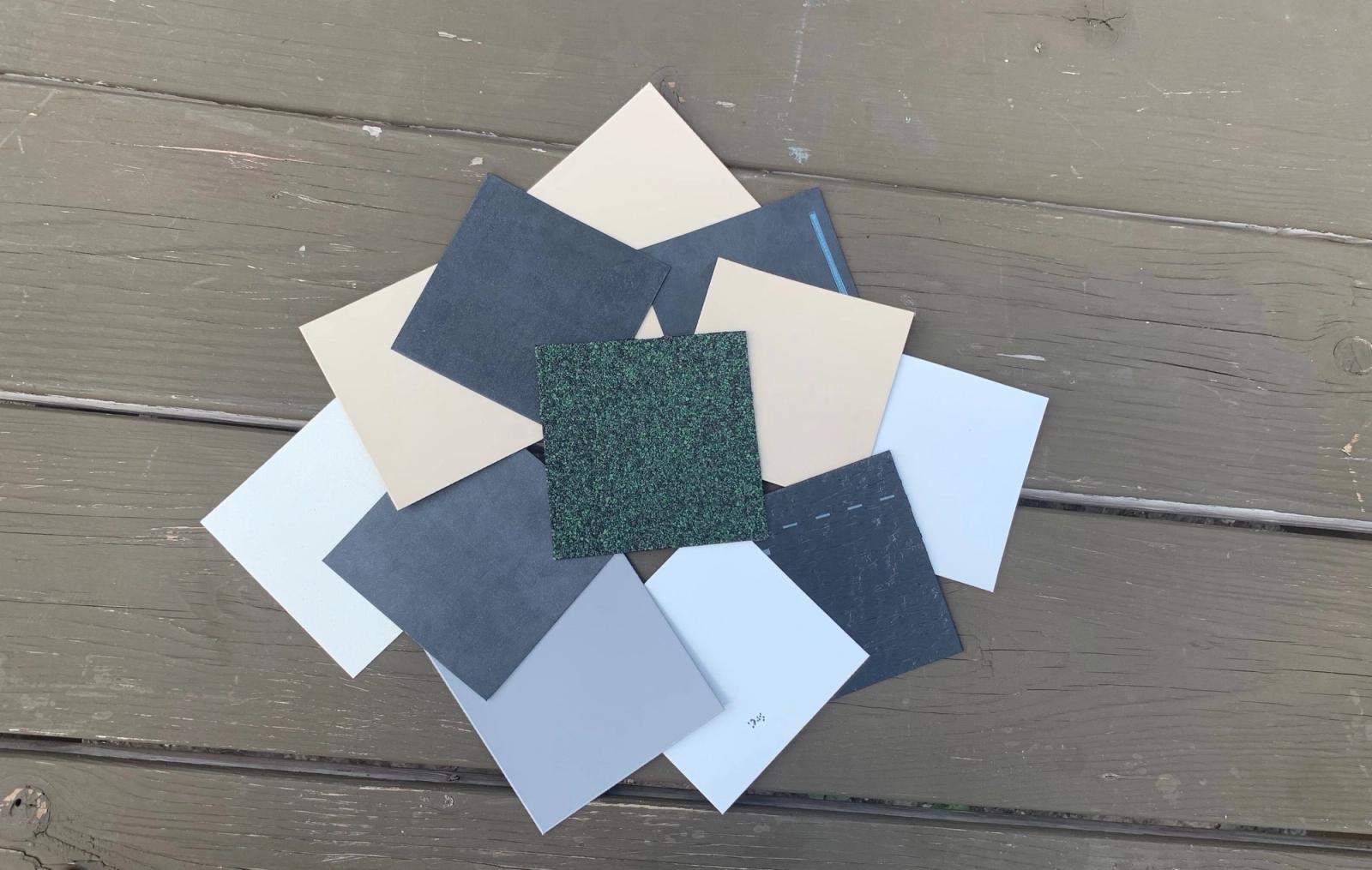
On the Service team, we receive constant inquiries from building owners and facility managers asking the best roofing material for their new roof. While there is no one size fits all, I have compiled a comprehensive guide that outlines the most suitable roof membranes for your building and budget. My goal is to equip you with the necessary information to make an informed decision on your roofing investment.
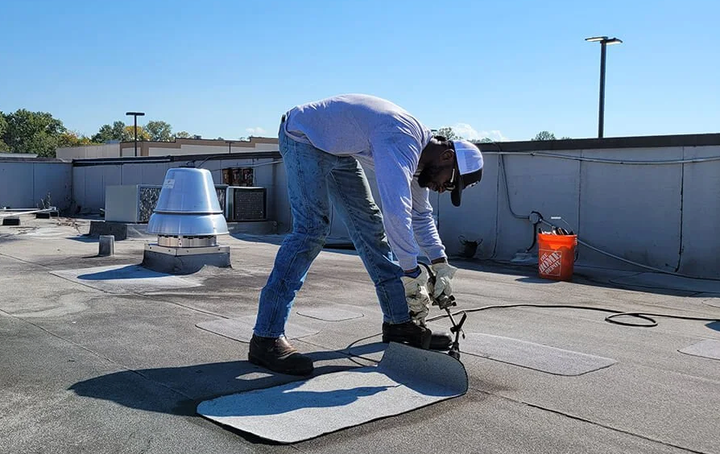
Modified Bitumen also known as MB or Mod Bit
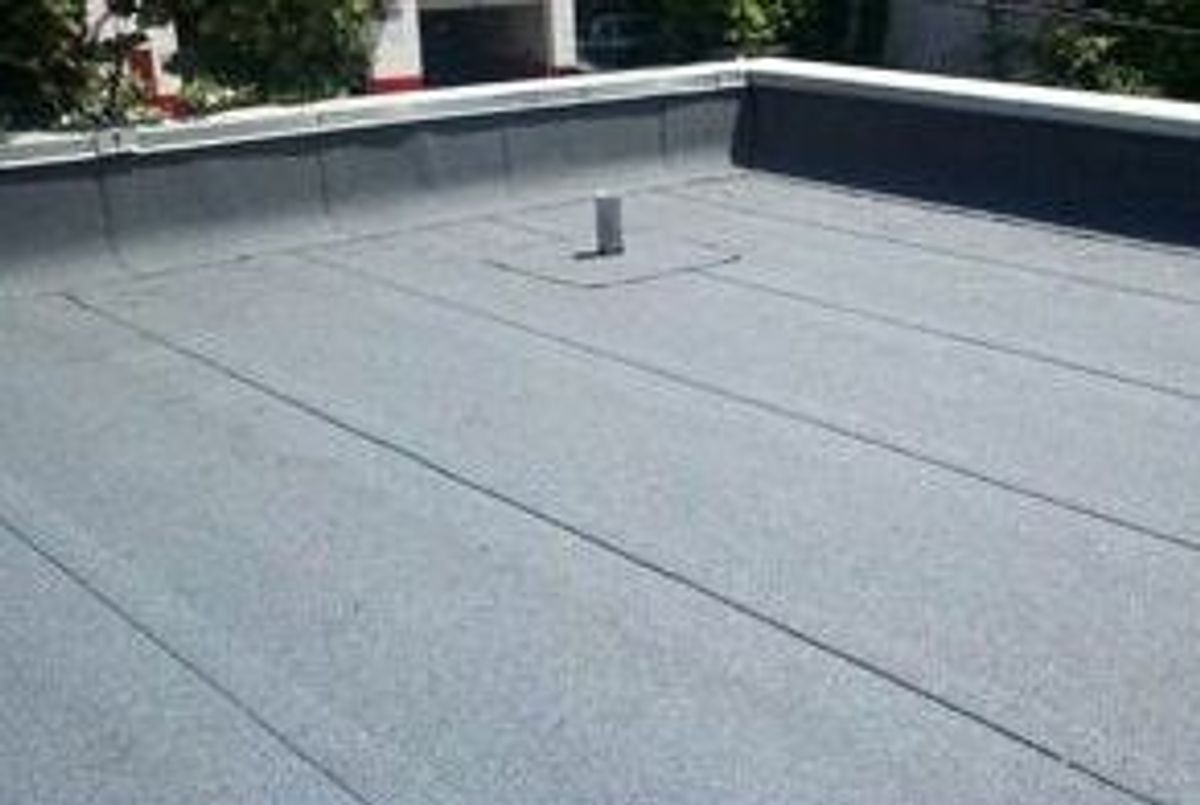
Modified Bitumen (MB) is made from asphalt and is known as the industry’s most durable roofing membrane as it is used across the United States. A trusted manufacturer of MB is GAF. Despite high installation costs, building owners can take advantage of its unique, self-healing properties, depending on the product.
If installed correctly and maintained, MB can last twenty years or more. With that being said, MB roofing is one of the most trustworthy types of roofing in the commercial roofing industry. MB is made from asphalt and a variety of rubber modifiers and solvents which makes it very durable and can even repair itself if there is a puncture in the membrane. MB comes in several different colors including, gray, black, brown, and white.
Pros of Modified Bitumen:
- Thicker compared to other types of membranes
- Durable against foot traffic
- Self-healing
Cons Of Modified Bitumen:
- Has seams/laps every three feet
- Requires extensive maintenance
- Damages easily from ponding water
- Performs poorly against grease
- Expensive to install
Best Uses For Modified Bitumen:
- Buildings with high foot traffic that do not have grease containment systems
- Buildings with a few penetrations on the roof (e.g. HVAC, RTU curbs, electrical conduits, gas lines)
Cost of Modified Bitumen: High
Thermoplastic Polyolefin also known as TPO
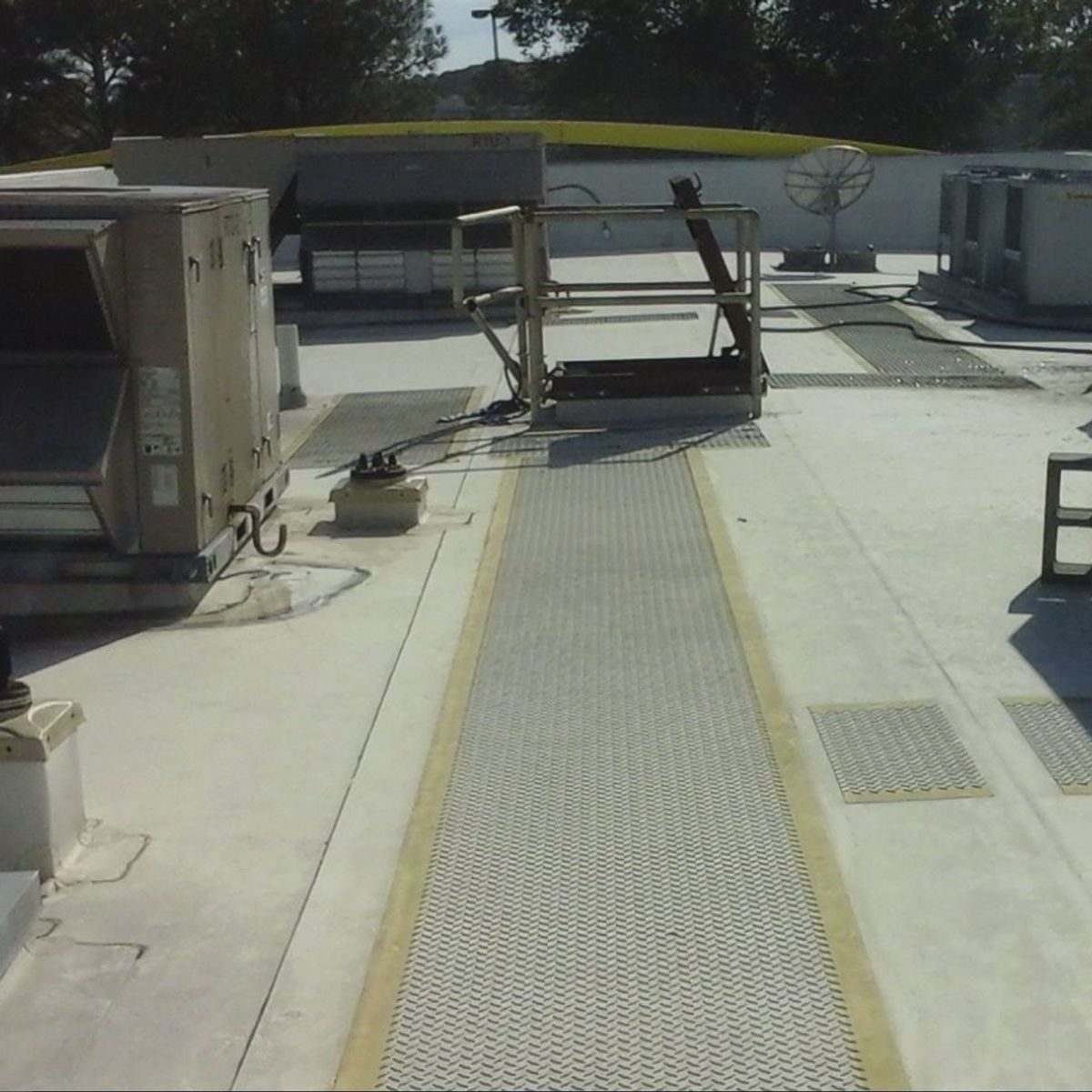
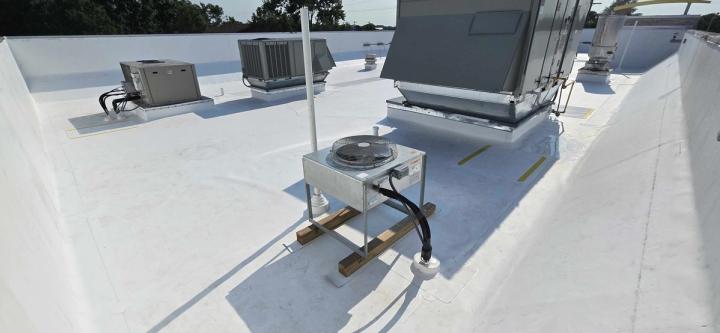
TPO is one of the thickest top plies in the industry and is also 100% recyclable. A reputable manufacturer of TPO is our long-time partner Mule-Hide. TPO is flexible in cold or hot temperatures ensuring that it will not crack or split. This type of membrane holds up well against foot traffic, equipment, and tools. TPO comes in a few different colors including, white, gray, or tan with other colors available by special order.
Pros of TPO:
- High resistance against moisture
- Lightweight
- Withstands ponding water
- Requires less maintenance
- Helps lower A/C costs with higher reflectivity
- Less expensive than PVC
- Installs easily
- Acts as an environmentally friendly option
- Keeps resistance to UV and fire
Cons of TPO:
- Performs poorly against grease
- Damages easily from third parties
- Weathers faster in southern states with warmer climates
Best Uses for TPO:
- Large buildings with plenty of water run-off
- Buildings in southern states with higher temperatures
Cost Of TPO: Medium
Polyvinyl Chloride also known as PVC
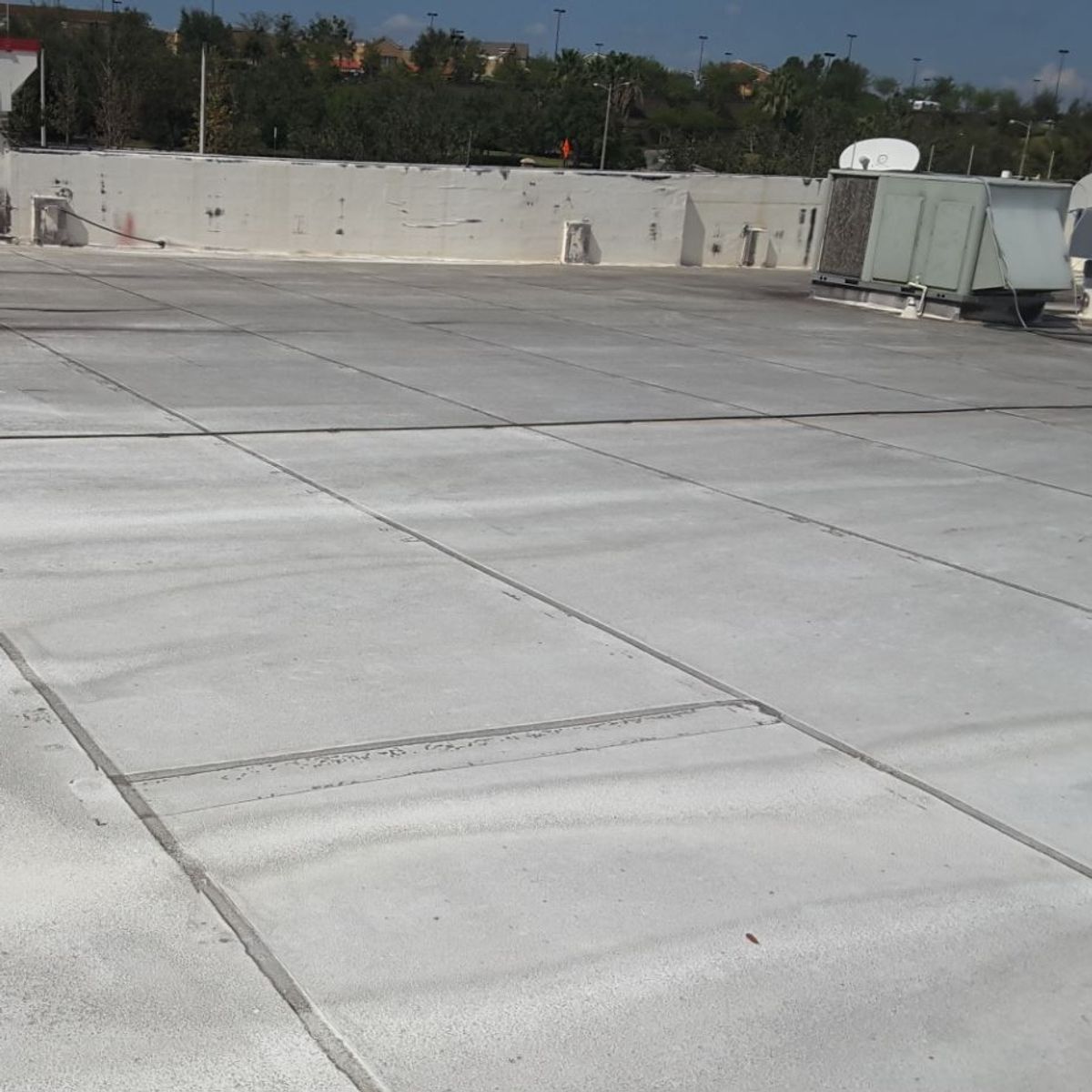
PVC is the world’s third-most widely produced synthetic plastic polymer after polyethylene and polypropylene and is manufactured by our partner Duro-Last. PVC roof systems have high grease and chemical resistance, which is favorable for restaurants. This membrane is available in white, tan, and gray, with the white and tan being energy star rated.
Cons of PVC:
- Is not durable against third-party damage
- Costs more than TPO
- Requires specific sealants
- Fractures poorly with age
Pros of PVC:
- Holds up well against ponding water
- Resists grease
- Acts as an environmentally friendly option
- Keeps resistance to wind, moisture, fire, and chemicals
- Proper maintenance significantly prolongs its life
- Has more flexibility than TPO
Best Uses for PVC:
- Restaurants with grease containment
- Buildings in regions with plenty of sun as PVC’s reflective properties are high
Cost of PVC: High
Ethylene Propylene Diene Terpolymer also known as EPDM
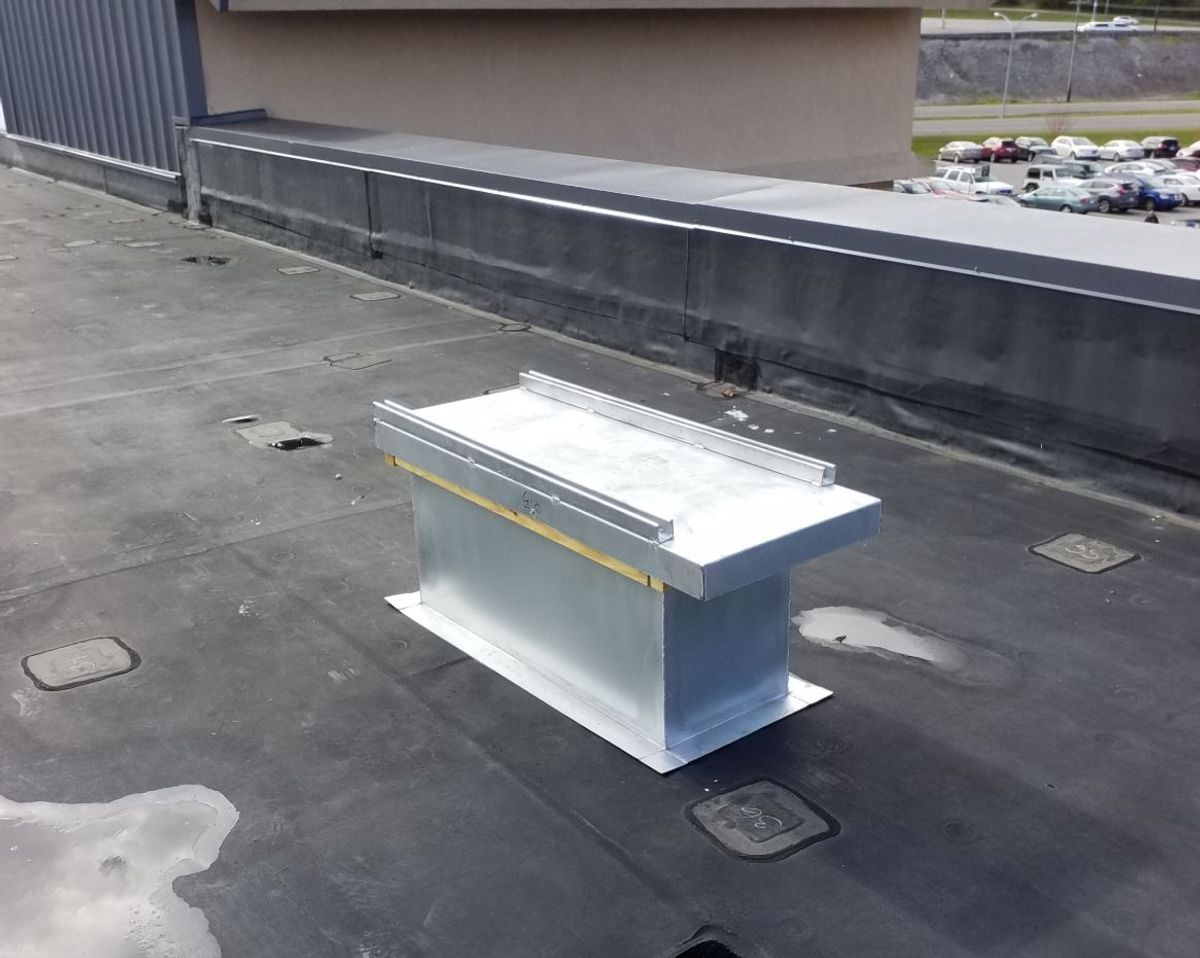
EPDM is a durable synthetic rubber roofing membrane that is used across the United States. Carlisle is a strong manufacturer of EPDM. This roofing membrane can have between a twenty - thirty-year warranty on the membrane. EPDM has impressive resistance to UV rays and can withstand intense temperatures as well as below-freezing temperatures.
Pros of EPDM:
- Installs easily
- Withstands ponding water
- Helps with melting snow and ice due to its black membrane
- Stays flexible in cold temperatures
- Keeps resistance to hail
Cons of EPDM:
- Does not resist grease
- Makes buildings in warmer climates hotter because of black coloring
- Can be easily punctured by third parties
- Can be difficult to identify punctures
- Sometimes requires installation of an aggregate (ballast) top layer, making repair difficult
Best Uses for EPDM:
- Buildings in northern regions where snow or ice is present
- Industrial, large roofs
- Roofs with minimal penetrations, including skylights and vents
Cost of EPDM: Low
Acrylic Coating
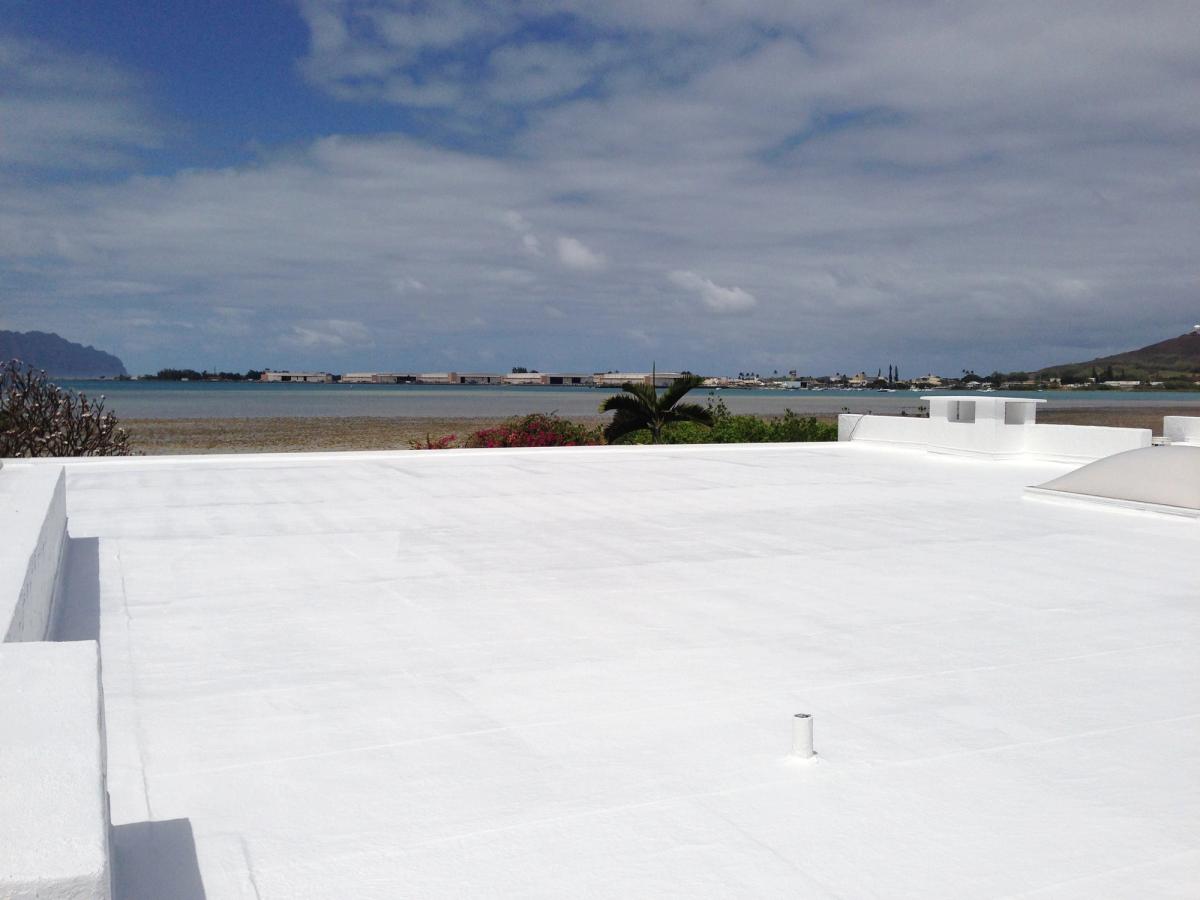
Acrylic coatings are 100% elastomeric acrylic and made to seal and protect a variety of different roofing systems. This product can be safely used on roofs made of PVC, EPDM, Modified Bitumen, Metal, and Wood. An acrylic coating is a cost-effective solution and is a suitable option for most climates.
Pros of Acrylic Coating:
- Is inexpensive compared to a roof replacement
- Boast a quick installation process
- Are a seamless system
- Have highly reflective qualities
Cons of Acrylic Coating:
- Need 0% moisture content to apply
- Do not perform well with ponding water
- Loses its thickness from weathering
- Must be applied in temperatures above 50 degrees
Best Uses for Acrylic Coating:
- Regions that experience dry climates
Cost of Acrylic Coating: Low
Silicone Coating
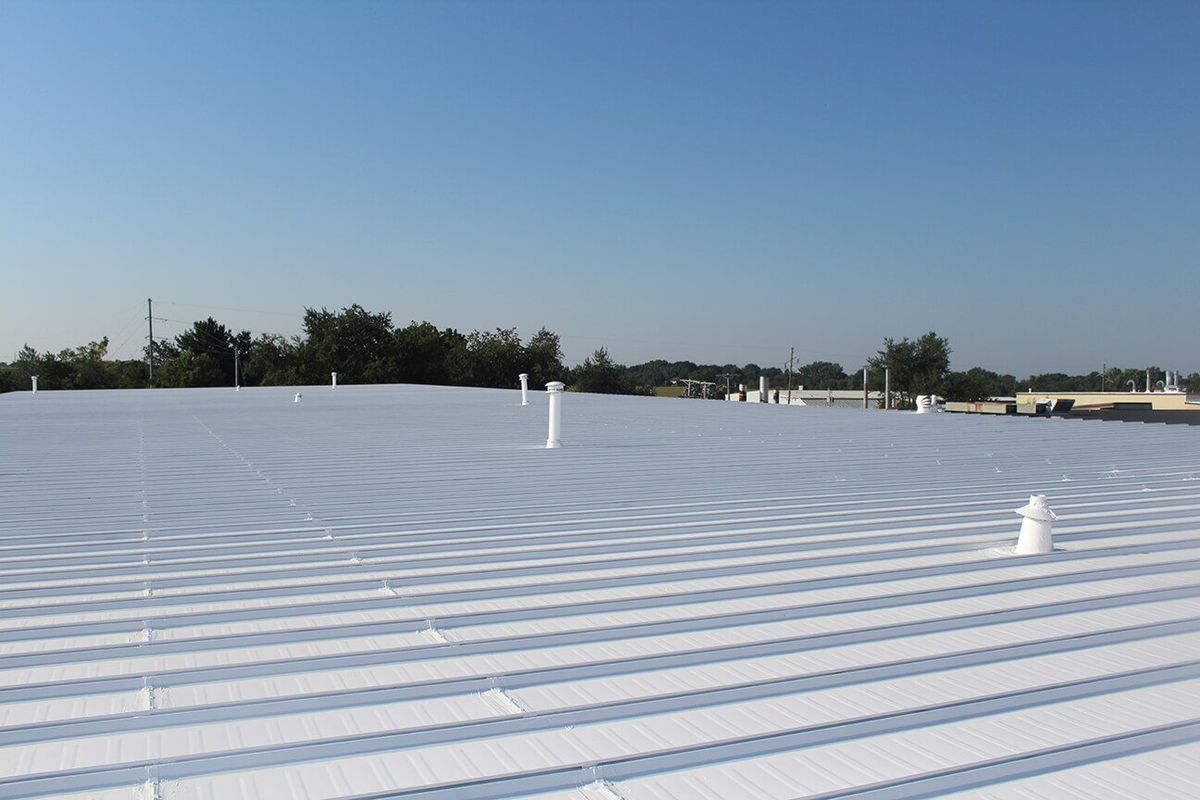
Silicone coatings use non-water-based solvents which helps them cure in wet conditions. One of our trusted Silicone coating manufacturers is Mule-Hide Products. Did you know that humidity can assist in the curing process of silicone coatings on roofs? Unlike other coatings, silicone coatings do not become hard or brittle and have minimal erosion, making them more resilient to extreme weather conditions.
Pros of Silicone Coating:
- Perform well against ponding water
- Are a seamless system
- Apply quickly and uses minimal materials
- Add a high surface build of up to 20-30 mil to the existing roof system
Cons of Silicone Coating:
- Lose reflectivity over time
- Are difficult to bond as it must be done with a compatible silicone-bases product
- Have an additional safety risk, since silicone coating is very slippery when wet
- Silicone-based products must be used to make repairs
- Must be applied in temperatures above 40 degrees
Best Uses for Silicone Coating:
- Roof restoration projects
Cost of Silicon Coating: Low
Spray Polyurethane Foam also known as SPF
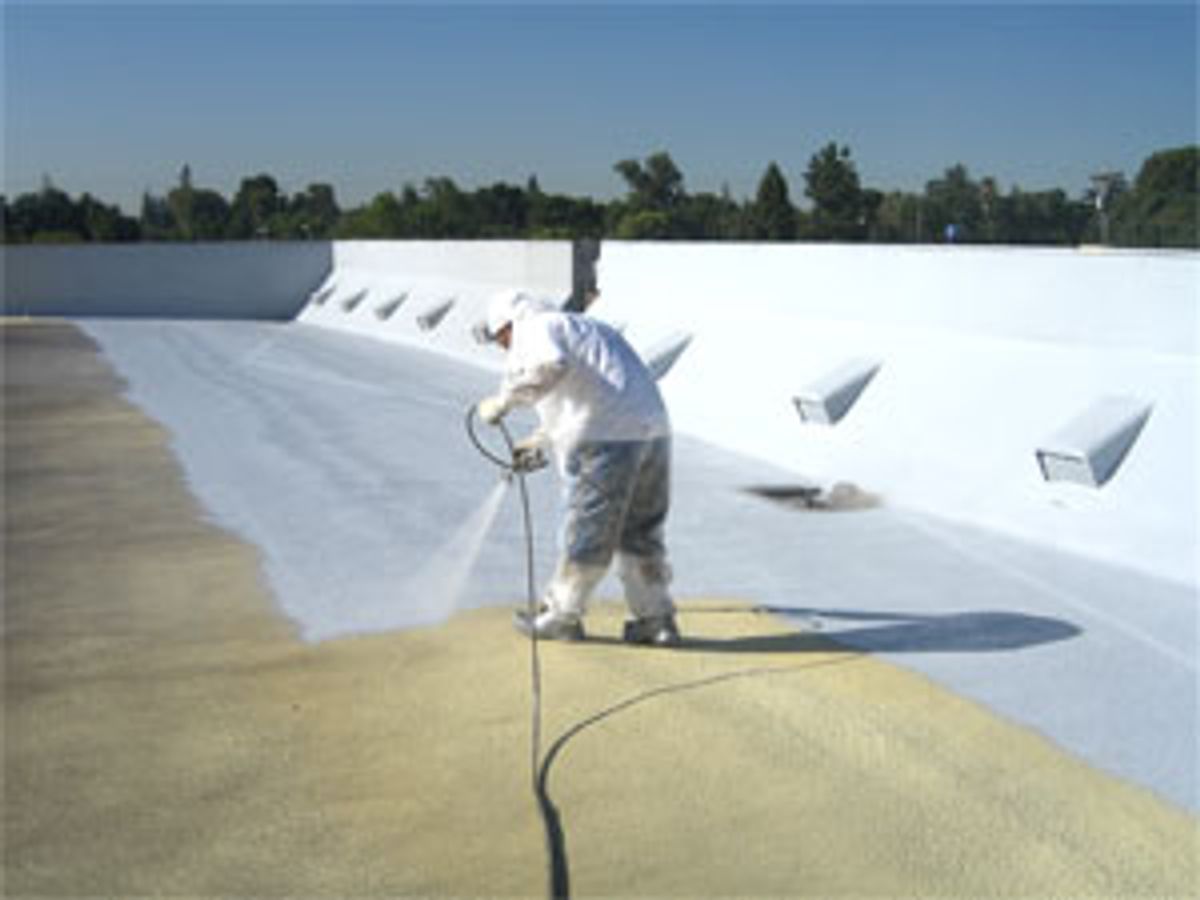
SPF is a high-density, rigid spray foam that may be applied to most roofing systems. This membrane acts as a thermal insulator, vapor retarder, and waterproofing system. SPF is a durable yet lightweight membrane that has a compressive strength of 40 to 60 pounds per inch. SPF is also an excellent insulator to prevent heat transfer through the roof and will minimize your heating and cooling costs.
Pros of SPF:
- Has energy-saving qualities
- Is seamless
- Is lightweight
Cons of SPF:
- Can erode from ponding water
- Low resistance to foot traffic
- Requires extensive maintenance
- Repairs must be made with silicon-based products
- Difficult to clean
Best Uses for SPF:
- Buildings with multiple penetrations and in regions that experience strong rains and wind.
Cost of SPF: Low